
Car Accident Calculator
Understand your claim value.
Understand your claim value.
Don't rely on the adjuster's first offer. Use the actuarial standards below to calculate the fair market value of your injury case.
Navigating the complexities of insurance claims, liability laws, and maximizing your financial recovery in 2026.
Insurance adjusters and attorneys often use the "Multiplier Method" to estimate the value of non-economic damages, commonly known as "Pain and Suffering." This method multiplies your total economic damages (medical bills, lost wages) by a number typically between 1.5 and 5.
A 1.5x multiplier is usually applied to minor injuries with brief treatment periods (e.g., mild whiplash). A 5x multiplier is reserved for catastrophic, life-altering injuries such as permanent scarring, broken bones, or traumatic brain injuries (TBI). Our calculator automatically adjusts this multiplier based on the specific "Life Impact" factors you select.
The most common reason for a devalued settlement is a "Gap in Treatment." Insurance companies view any delay in seeking medical attention as evidence that the injury was not serious. To maximize your claim:
Your settlement value is heavily influenced by the laws of the state where the accident occurred.
Most straightforward injury claims settle within 3 to 9 months after you have completed your medical treatment. However, cases involving severe injuries, disputed liability, or litigation can take 1 to 3 years to resolve.
Instead of a lump sum, a structured settlement pays out money over a set period of years. This is common in cases involving minors or catastrophic injuries to ensure long-term financial stability and tax benefits.
If you were not at fault, your rates typically should not increase, though some states allow "not-at-fault" surcharges. If you were at fault, expect a rate increase upon renewal.
Yes. The first offer is almost always a "lowball" tactic. You should counter-offer with a higher amount, supported by your medical records and this valuation report.
If you have Uninsured Motorist (UM/UIM) coverage on your own policy, you can file a claim against your own insurance company. They will step into the shoes of the at-fault driver to pay your claim.
For minor property damage with no injuries, you likely don't need an attorney. However, if you have any injury requiring medical treatment, an attorney typically increases the net settlement amount even after their fees.
Select "Save as PDF" in the destination menu.

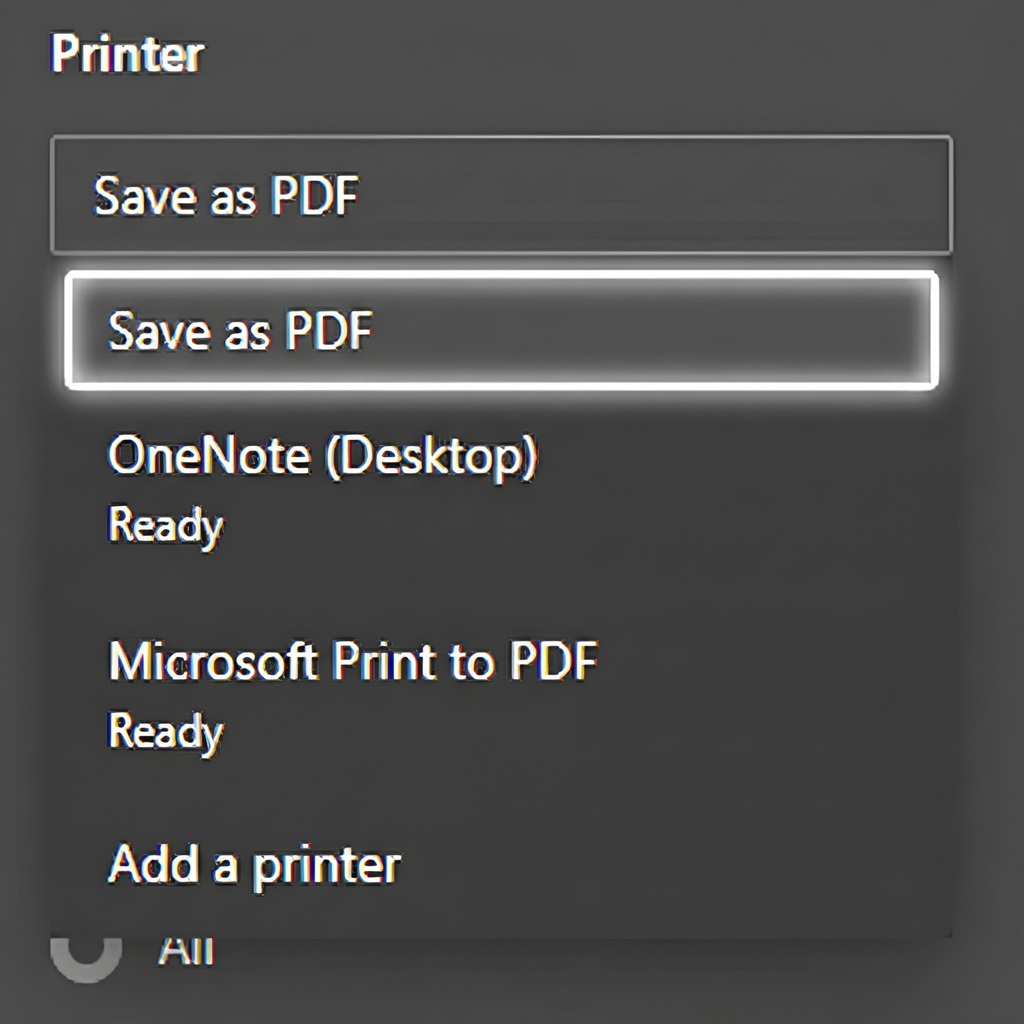

Follow the steps above to save your results.