The Hidden Cost of Accidents: Diminished Value Explained
When a vehicle is involved in a collision, repairs are only half the battle. Even after the body shop restores the paint and aligns the frame, the vehicle now carries a permanent "scar" on its history report (CarFax or AutoCheck). This is known as Inherent Diminished Value (IDV).
Statistics show that a vehicle with a reported accident history can lose 15% to 35% of its resale value compared to a pristine vehicle. Dealerships cannot certify these cars, and private buyers demand steep discounts. Insurance companies are aware of this loss but often refuse to pay it unless legally compelled, frequently relying on the "17c Formula" to minimize their liability.
The 17c Formula vs. Market Reality
The 17c Formula (Insurance)
Derived from the Georgia case State Farm v. Mabry, this formula is a standardized algorithm designed to limit payouts. It applies a hard cap of 10% on the vehicle's base value and severely penalizes vehicles for mileage.
- Arbitrary Cap: Max payout is 10% of NADA value.
- Mileage Penalty: 100k+ miles = $0 payout.
- Subjective Modifiers: Adjusters downgrade damage severity.
Market Value Comparison (Reality)
This is the empirical method used in legal settings and valid appraisals. It measures the actual difference in what a willing buyer would pay for your car immediately before and after the accident.
- No Caps: Based on real market data.
- Real Depreciation: Accounts for trade-in stigma.
- Tax Equity: Includes lost sales tax value.
State-by-State Recovery Guide
Your ability to recover diminished value depends heavily on your jurisdiction and whether you are filing a First-Party Claim (against your own insurer) or a Third-Party Claim (against the at-fault driver).
Georgia (17c State)
The only state where First-Party DV is mandated by law. Insurers must pay, but they usually default to the 17c formula.
Washington & Kansas
Case law (e.g., Moeller v. Farmers) has created favorable precedents for First-Party recovery, though policies may vary.
Common Law States
In most other states (CA, TX, FL, NY, etc.), you can claim DV against the at-fault driver (Third-Party). You have the burden of proof to show the loss.
No-Fault States
States like Michigan typically bar DV claims unless the damage falls under specific "Mini-Tort" provisions.
Frequently Asked Questions (FAQ)
How do I negotiate a higher Diminished Value payout?
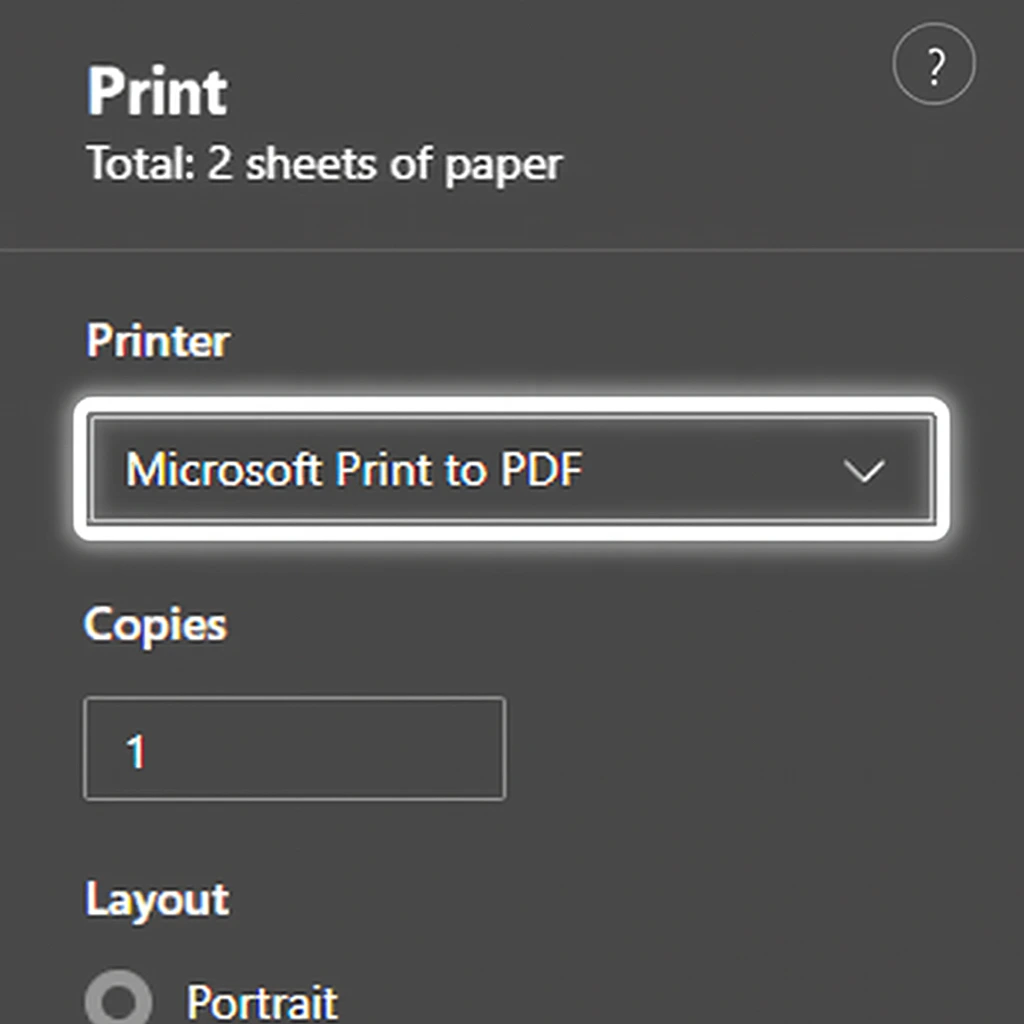
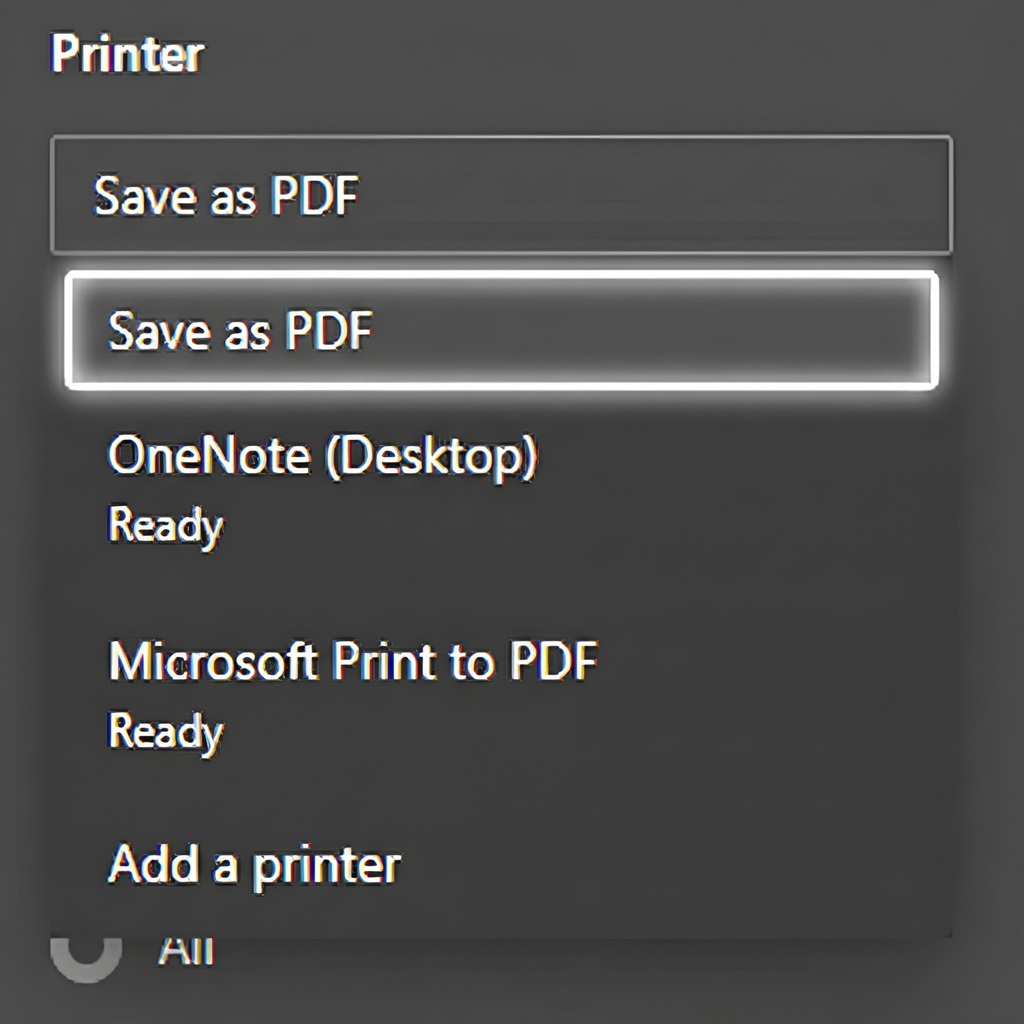
Don't accept the first offer. Generate a report using the "Market View" of this calculator. Save it as a PDF. Send a demand letter attaching this report along with active listings of comparable vehicles (accident-free) vs. trade-in quotes for your repaired vehicle.
What is the Statute of Limitations?
This varies by state, typically ranging from 2 to 6 years for property damage claims. You do not have to settle immediately after repairs; you can file a DV claim even months later.
Does a "Certified Repair" restore value?
No. While a quality repair restores the vehicle's function and appearance, it does not erase the history report. The "stigma" of the accident remains the primary driver of financial loss.
Glossary of Terms
17c Formula: An insurance industry calculation limiting DV to 10% of vehicle value.
First-Party Claim: A claim filed against your own insurance policy.
Third-Party Claim: A claim filed against the at-fault driver's insurance.
NADA / KBB: Guides used to determine pre-accident market value.
Stigma Damage: The psychological reluctance of buyers to purchase a wrecked car.