
Lemon Law Calculator
Validate your frustration.
Validate your frustration.
It is not just about a car breaking down; it is about the "Statutory Presumption." Most US states have a specific legal formula involving days out of service, repair attempts, and a mileage offset deduction to determine if a manufacturer is legally required to buy back your vehicle. Use the engine below to verify if your vehicle meets these strict legal thresholds in your specific state.
When a vehicle is deemed a "Lemon," the manufacturer is typically required to buy it back or replace it. However, this is rarely a 100% refund of every dollar you spent. The Refund Estimator (Mode B above) helps you calculate the Usage Offset (or mileage deduction), which is the specific amount the manufacturer is legally allowed to deduct from your settlement for the time you drove the car trouble-free.
The most critical part of any Lemon Law negotiation is the "Usage Offset." This is not an arbitrary number; it is defined by state statute.
In states like California (under the Song-Beverly Consumer Warranty Act) and Texas, the formula is:
(Purchase Price × Mileage at First Repair Attempt) / 120,000.
In other jurisdictions like New Jersey or Massachusetts, the divisor might be 100,000. Our calculator automatically adjusts this divisor based on the state you select in the Global Configuration settings above. The lower the mileage when you first reported the defect, the higher your refund will be.
Federal and State laws require you to give the manufacturer a "reasonable opportunity" to fix the vehicle. While this varies by state, the general legal consensus (and what our Case Strength tool checks for) is:
This is the most common misconception. The answer depends entirely on your jurisdiction:
California: Yes, used cars are covered if they are sold with a written warranty (usually the balance of the manufacturer's original warranty).
New York: Yes, NY has a specific "Used Car Lemon Law" for vehicles purchased for more than $1,500 with less than 100,000 miles.
Florida & Texas: Generally, no. These states restrict Lemon Law remedies to new vehicles only.
Lemon Law buybacks are designed to make you "whole," which means paying off the loan balance associated with the lemon vehicle and refunding your down payment and monthly payments. However, if you rolled over negative equity (debt) from a previous trade-in into your current loan, the manufacturer is typically not responsible for paying that portion of the debt. You may still owe the bank for that prior negative equity even after a successful buyback.
If you lease your vehicle, you are typically entitled to the same protections as a purchaser. However, the disbursement of funds differs. In a lease buyback, the manufacturer will pay the remaining lease balance directly to the financial institution (the lessor). The consumer is usually refunded the down payment (capitalized cost reduction) and the monthly lease payments made to date, minus the usage offset.
If your vehicle does not meet the strict mileage or age requirements of your specific state's Lemon Law (e.g., you bought a used car in Florida), you may still have a claim under the Magnuson-Moss Warranty Act. This federal law governs consumer product warranties and can provide cash compensation for the diminished value of the vehicle and legal fees, even if a full buyback is not awarded.
The legal process typically begins with a formal Demand Lettersent to the manufacturer. This letter outlines the vehicle's history, the defects, and the repair attempts. To support this, you must maintain a "Lemon Law File" containing:
Select "Save as PDF" in the destination menu.
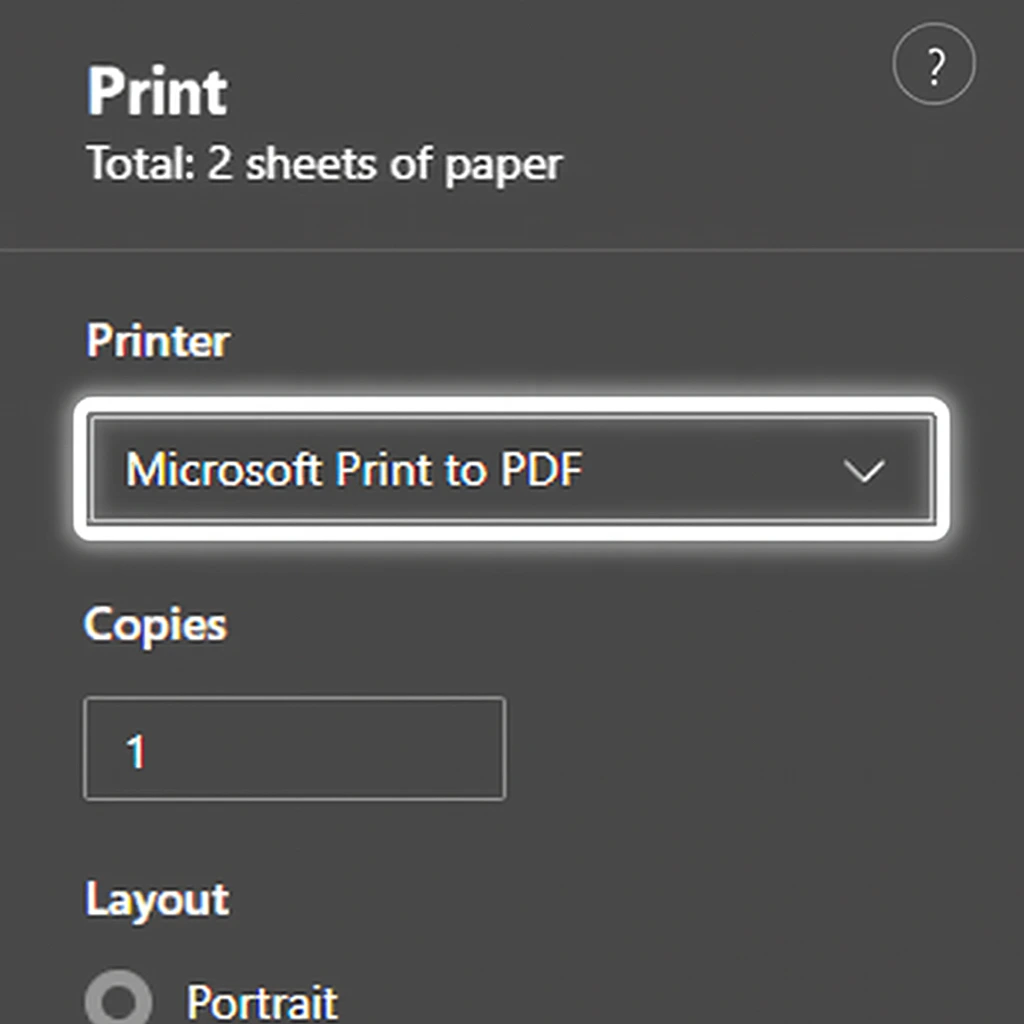
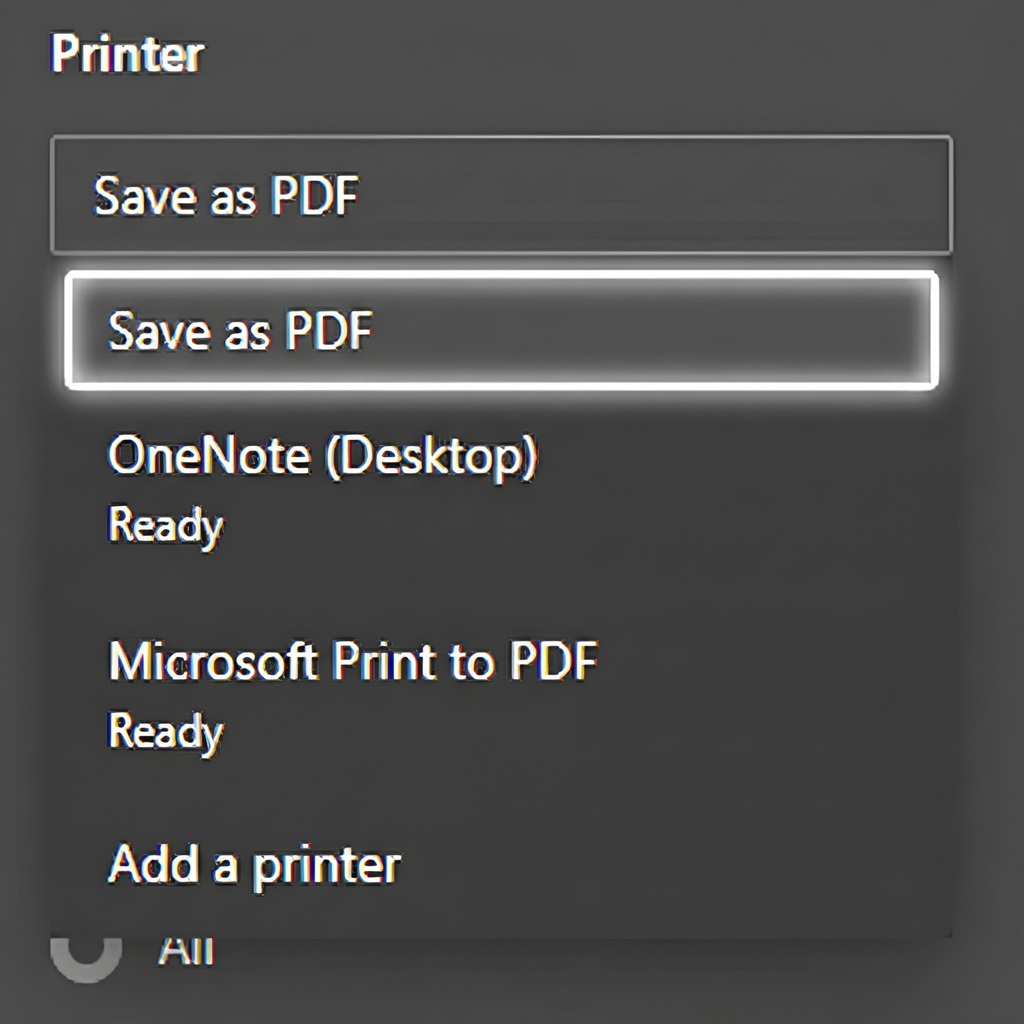
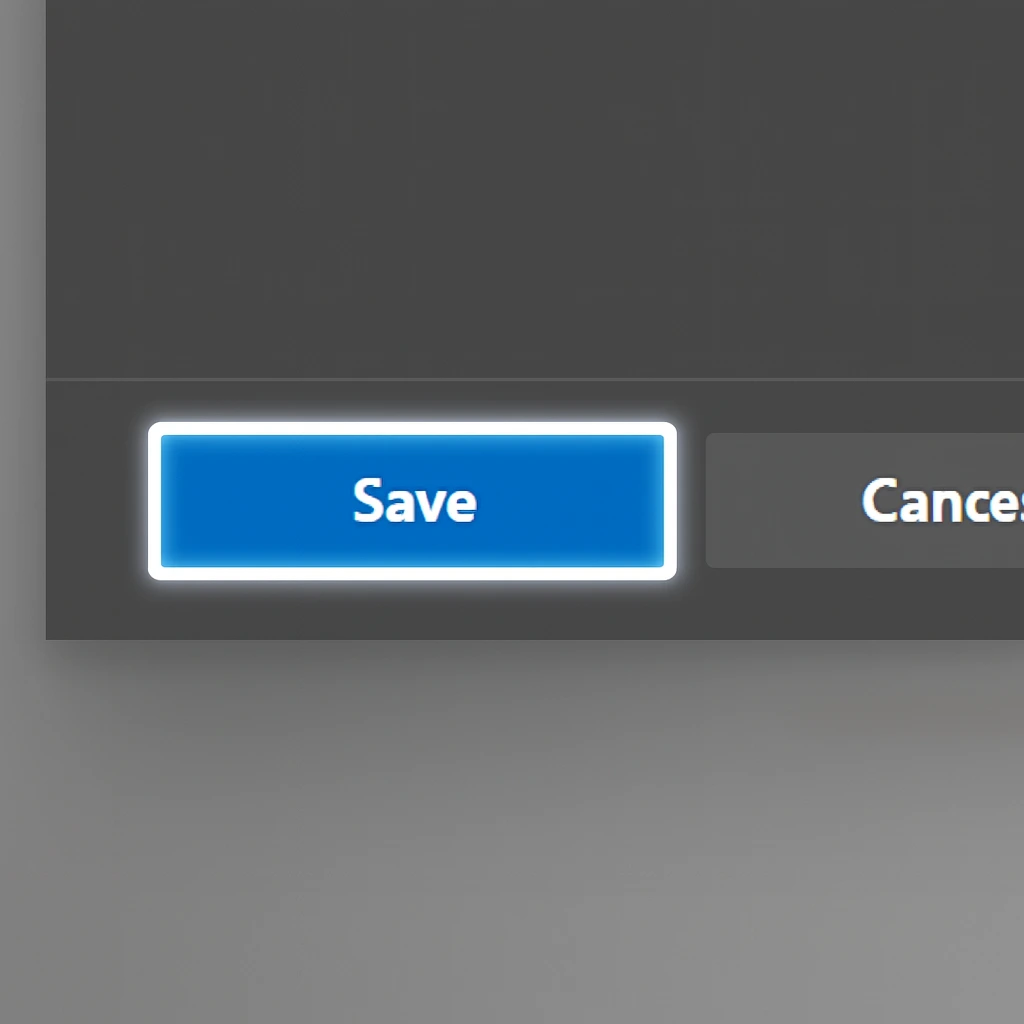
Follow the steps above to save your results.