
Credit Card Payoff
Eliminate your debt — secure your future.
Eliminate your debt — secure your future.
Calculate your exact payoff date and total interest savings by comparing fixed monthly contributions against a specific target deadline. Stop guessing—start engineering your financial freedom using the inputs below.
Understanding the mathematics behind credit card debt is the first step toward financial sovereignty. When you carry a balance on a credit card, interest compounds daily based on your Annual Percentage Rate (APR). This compounding effect creates a cycle where a significant portion of your monthly payment goes toward servicing interest rather than reducing the principal balance.
We often refer to interest payments as a "stupid tax"—not to insult the borrower, but to highlight the inefficiency of paying for an item long after the purchase was made. For example, a $1,000 expense paid off over 5 years at 20% APR will cost you nearly $600 in interest alone. That is money that could have been invested, saved, or spent on tangible assets. Our tool calculates this "lost purchasing power" to show you exactly what that interest could have bought you.
The Fixed Payment Strategy (Budgeter Mode) is best if you have a strict monthly budget. You determine exactly how much you can afford to pay each month (e.g., $300), and the calculator forecasts when you will be debt-free. This is ideal for consistent, long-term planning.
The Target Date Strategy (Goal Setter Mode) is for those with a specific deadline. Maybe you want to be debt-free before a wedding, a home purchase, or retirement. You set the date (e.g., "June 2027"), and the calculator reverse-engineers the required monthly payment to hit that goal.
Credit card interest is typically calculated using the Average Daily Balance method. Your APR is divided by 365 to find the daily periodic rate. This rate is applied to your balance every single day, and the accrued interest is added to your balance (compounding) at the end of the billing cycle.
Yes. By making bi-weekly payments (paying half your monthly amount every two weeks), you end up making 26 half-payments in a year, which equals 13 full monthly payments. This extra payment per year directly reduces your principal and shortens your payoff timeline.
Debt consolidation or balance transfers can be effective if you can secure a significantly lower interest rate (or 0% intro APR). However, use our "Target Date Plan" to analyze if the balance transfer fee (usually 3-5%) outweighs the interest savings. If you can pay off the debt quickly, the fee might be more expensive than the interest.
Select "Save as PDF" in the destination menu.
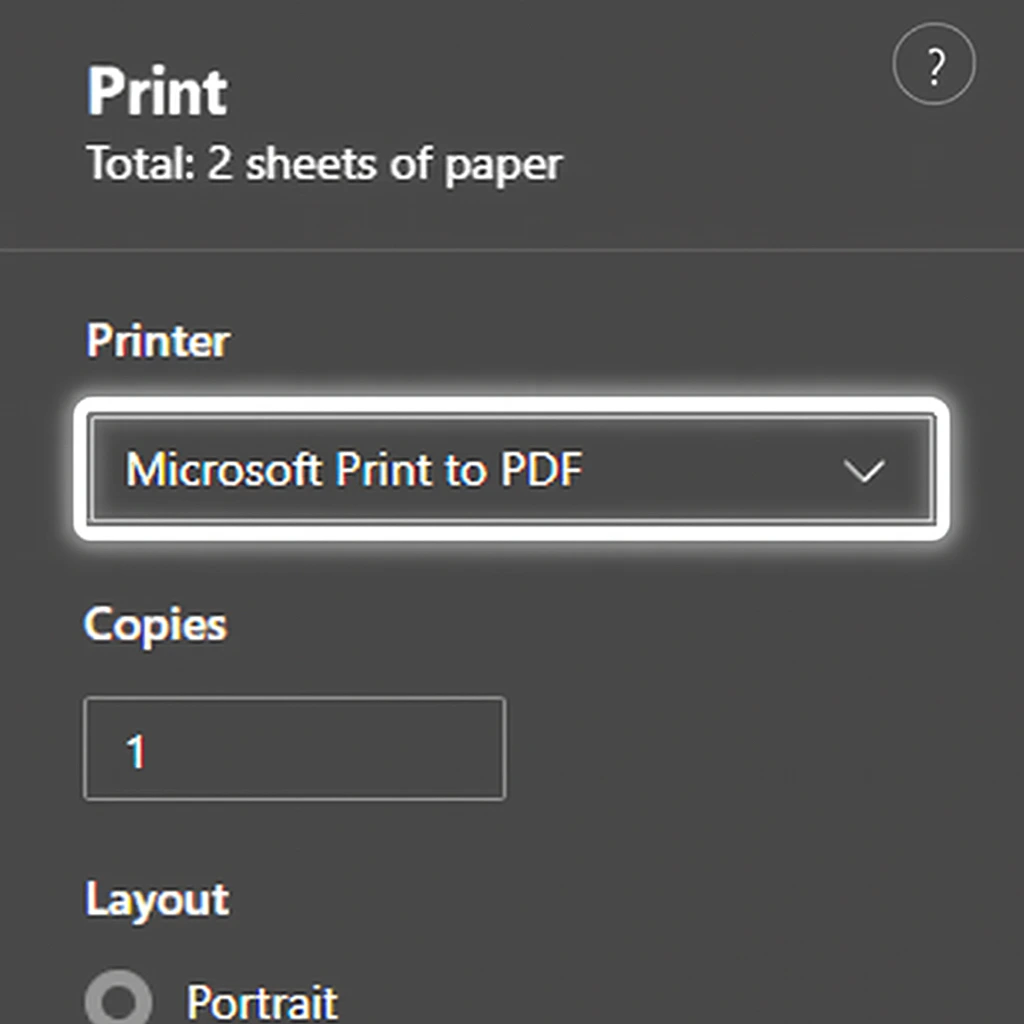
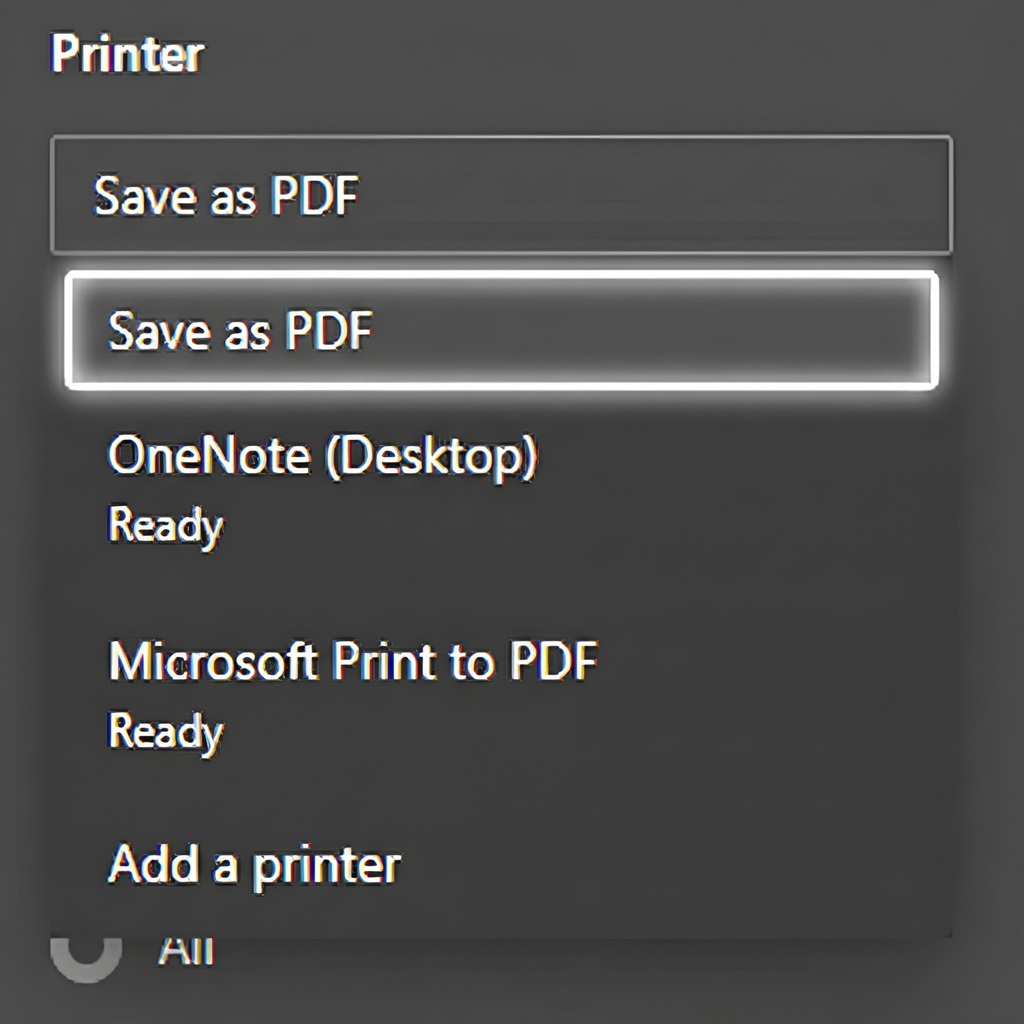

Follow the steps above to save your results.