
Credit Card Payoff
Eliminate your debt — secure your future.
Eliminate your debt — secure your future.
Calculate your exact payoff date and total interest savings by comparing fixed monthly contributions against a specific target deadline. Stop guessing—start engineering your financial freedom using the inputs below.
Understanding the mathematics behind credit card debt is the first step toward financial sovereignty. When you carry a balance on a credit card, interest compounds daily based on your Annual Percentage Rate (APR). This compounding effect creates a cycle where a significant portion of your monthly payment goes toward servicing interest rather than reducing the principal balance.
We often refer to interest payments as a "stupid tax"—not to insult the borrower, but to highlight the inefficiency of paying for an item long after the purchase was made. For example, a $1,000 expense paid off over 5 years at 20% APR will cost you nearly $600 in interest alone. That is money that could have been invested, saved, or spent on tangible assets. Our tool calculates this "lost purchasing power" to show you exactly what that interest could have bought you.
The Fixed Payment Strategy (Budgeter Mode) is best if you have a strict monthly budget. You determine exactly how much you can afford to pay each month (e.g., $300), and the calculator forecasts when you will be debt-free. This is ideal for consistent, long-term planning.
The Target Date Strategy (Goal Setter Mode) is for those with a specific deadline. Maybe you want to be debt-free before a wedding, a home purchase, or retirement. You set the date (e.g., "June 2027"), and the calculator reverse-engineers the required monthly payment to hit that goal.
When figuring out how to get out of credit card debt fast, two primary strategies dominate the financial planning space: the Debt Snowball and the Debt Avalanche. The Debt Snowball method focuses on psychological wins by paying off the credit card with the smallest balance first, regardless of the interest rate. Once that debt is cleared, you roll that payment into the next smallest balance. Conversely, the Debt Avalanche method is mathematically optimal; it targets the card with the highest Annual Percentage Rate (APR) first, saving you the maximum amount of money on compounding interest.
If you are struggling with high-interest rates (often exceeding 20% APR), you might be exploring debt consolidation. A 0% APR balance transfer credit card allows you to pause interest accumulation for a promotional period (typically 12 to 21 months). However, you must account for balance transfer fees (usually 3% to 5% of the total amount). Alternatively, a personal debt consolidation loan offers a fixed interest rate and a strict amortization schedule, which can prevent the temptation to rack up more revolving debt.
Your credit card payoff strategy doesn't just save you money; it directly impacts your FICO credit score. Approximately 30% of your credit score is determined by your credit utilization ratio—the amount of revolving credit you are currently using compared to your total available credit limits. As you use this credit card payoff calculator with extra payments to drive down your principal balance, your utilization ratio drops, often resulting in rapid and significant credit score improvements.
Credit card interest is typically calculated using the Average Daily Balance method. Your APR is divided by 365 to find the daily periodic rate. This rate is applied to your balance every single day, and the accrued interest is added to your balance (compounding) at the end of the billing cycle.
If you only pay the minimum amount due each month, you fall into the "minimum payment trap." Federal regulations only require banks to set minimums that cover the month's accrued interest plus roughly 1% of the principal balance. This means the vast majority of your payment goes to the bank's profits, keeping you in debt for decades and costing thousands in interest.
Yes. By making bi-weekly payments (paying half your monthly amount every two weeks), you end up making 26 half-payments in a year, which equals 13 full monthly payments. This extra payment per year directly reduces your principal and shortens your payoff timeline.
Yes, it often can. Closing a credit card reduces your total available credit, which instantly increases your overall credit utilization ratio. Additionally, it can shorten your average age of credit history. Unless the card has a predatory annual fee, it is generally better to leave the account open with a zero balance after paying it off.
Credit card issuers use the average daily balance method. They take your APR, divide it by 365 to get your Daily Periodic Rate (DPR), and multiply that by your current balance every single day. The interest calculated today is added to your balance tomorrow, meaning you literally pay interest on your interest.
Select "Save as PDF" in the destination menu.
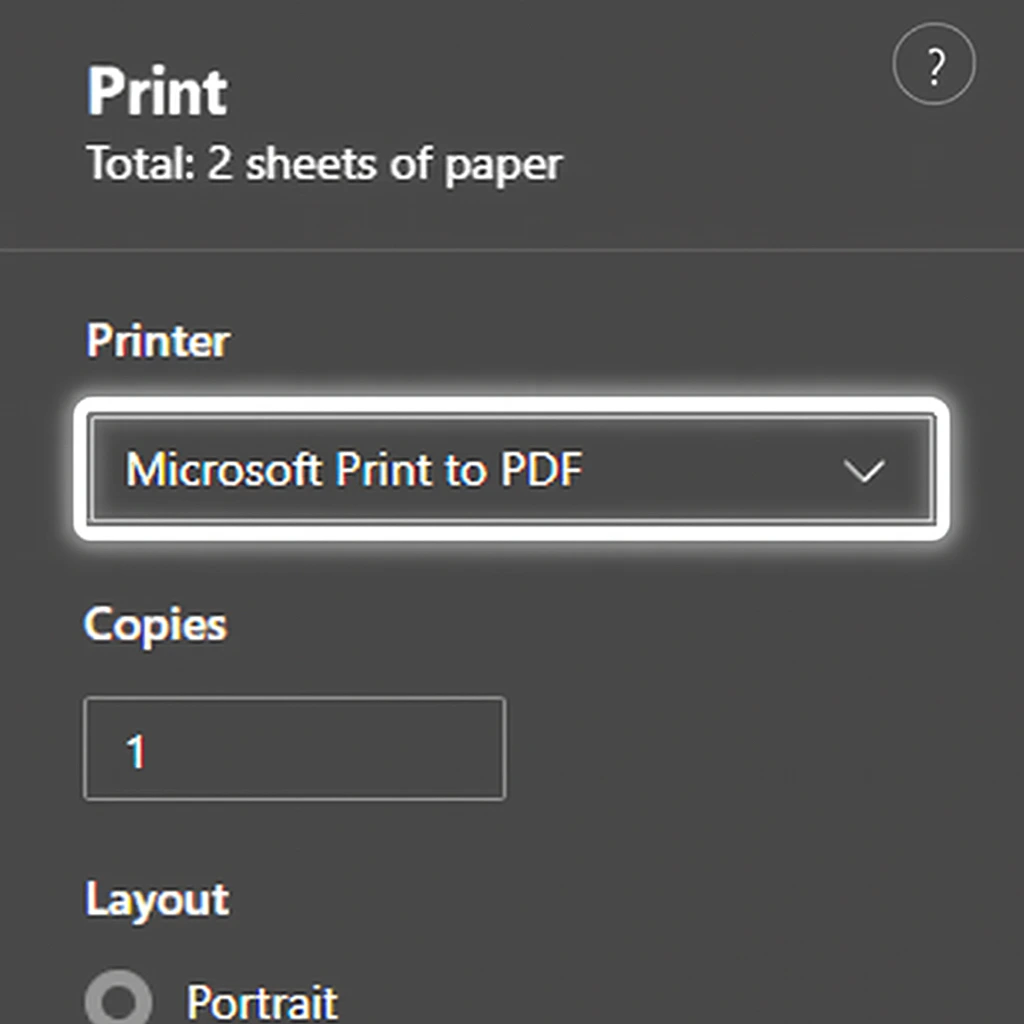
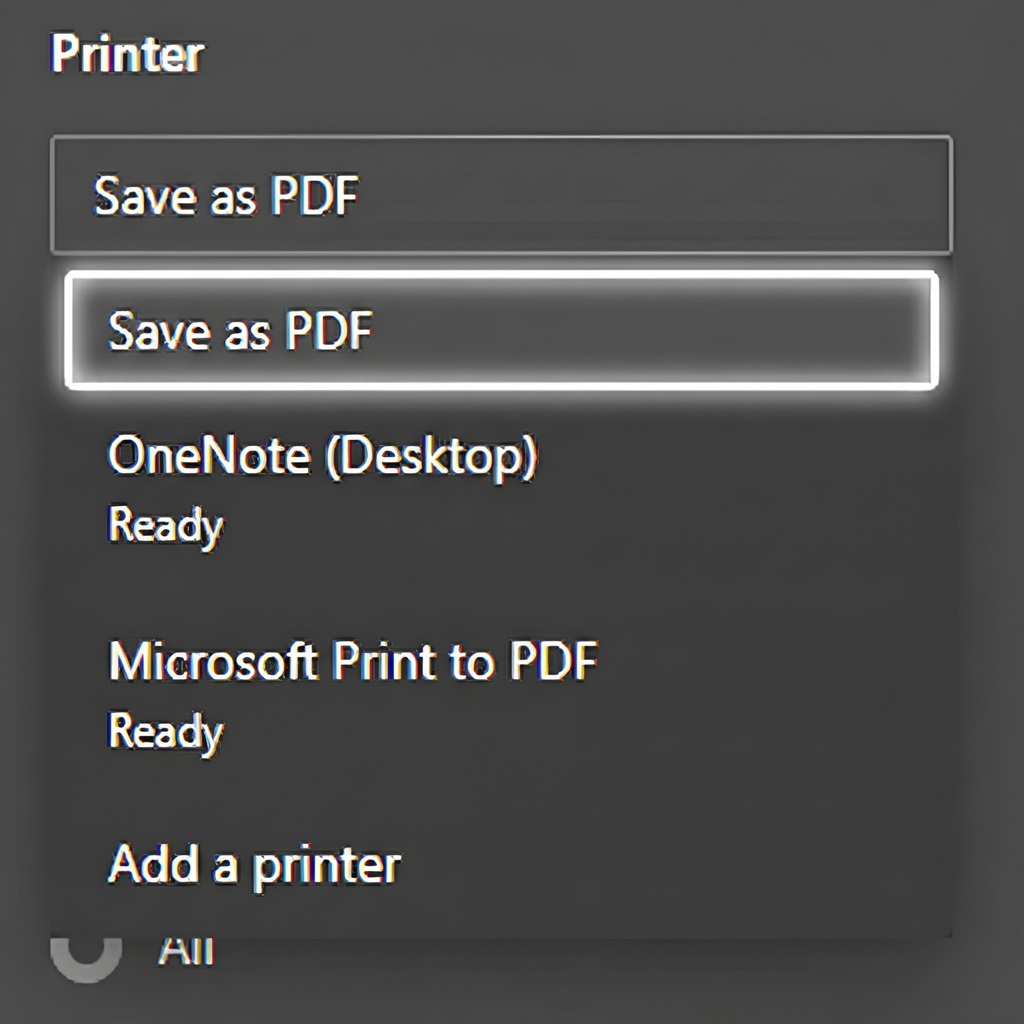

Follow the steps above to save your results.