
Home Affordability Calculator
Stop guessing. Start planning.
Stop guessing. Start planning.
Determine your true purchasing power by analyzing not just your income, but your liquidity, state-specific property taxes, and "ghost costs" like maintenance. Unlike standard bank pre-approvals, this tool focuses on your financial solvency—ensuring you don't just buy a home, but can afford to keep it.
Buying a home is the largest financial transaction most people will make in their lifetime. However, the sticker price of the home is only one part of the equation. True affordability involves understanding your debt-to-income ratio (DTI), the impact of current interest rates, and the "ghost costs" of homeownership that banks and traditional mortgage pre-approvals often overlook.
A common mistake first-time homebuyers make is assuming that their gross income is the only factor lenders look at. If you make $100,000 a year, standard financial advice suggests you can afford a home worth roughly three to four times your salary (between $300,000 and $400,000). However, if you have a $600 monthly car payment and $400 in student loans, your buying power drops drastically. Our home affordability calculator helps you visualize how these existing debts constrain your mortgage capacity.
Most standard online mortgage calculators only calculate Principal and Interest (P&I). They neglect the critical factors that actually break a family's budget: state-specific property taxes, insurance premiums in high-risk areas, and the inevitable maintenance costs of owning physical property. You need a home affordability calculator with taxes and insurance built-in. Solveria's engine integrates these variables to give you a "Solvency Score"—a measure of whether you can not just buy the home, but afford to comfortably keep it.
Your Debt-to-Income (DTI) ratio is the percentage of your gross monthly income that goes toward paying debts. Lenders strictly use this metric to determine your risk level. The "front-end" DTI looks only at housing costs, while the "back-end" DTI includes all monthly debt obligations (credit cards, auto loans, personal loans). To secure the best interest rates in the 2026 housing market, you should aim to keep your back-end DTI below 36%, though some FHA and conventional loan programs allow up to 43% or even 50% under strict conditions.
Having enough cash for a down payment is great, but many buyers are blindsided by closing costs. Closing costs are the fees paid to finalize your real estate transaction, typically ranging from 2% to 5% of the loan amount. They cover the home appraisal, title insurance, loan origination fees, and prepaid escrow taxes. If you don't have this cash upfront, the deal falls through. Additionally, homes physically depreciate over time. We highly recommend factoring in a "Maintenance Buffer" (often cited as the 1% Rule) to save for future roof replacements or HVAC failures, preventing you from slipping into high-interest credit card debt.
Financial advisors universally cite the 28/36 rule as the golden baseline for housing affordability. It dictates that you should spend no more than 28% of your gross monthly income on total housing expenses (mortgage, property tax, insurance, HOA) and no more than 36% on total debt (housing plus consumer debt). Our calculator helps you visualize these ratios in real-time.
Yes, significantly. Every dollar you spend on a monthly car note or student loan is a dollar subtracted from your allowable mortgage payment. A $500 monthly car loan can effectively reduce your total home purchasing power by tens of thousands of dollars.
As interest rates rise, your purchasing power decreases because a larger portion of your monthly payment goes toward interest rather than paying down the loan principal. Even a 1% increase in rates can reduce your buying power by approximately 10-11%. It is crucial to monitor market rates and lock in favorably when possible.
If your down payment is less than 20% of the home's purchase price, conventional lenders will require Private Mortgage Insurance (PMI) to protect themselves in case you default on the loan. FHA loans have a similar requirement called a Mortgage Insurance Premium (MIP). This is an extra monthly cost that provides no equity benefit to you. Our tool automatically adds this fee if your down payment slider is below the 20% threshold.
Property taxes vary wildly by state and even by county. For example, New Jersey has an average effective rate of over 2%, while Hawaii is under 0.3%. A $500,000 home in NJ will cost substantially more per month than the same home in HI, purely due to taxes. Furthermore, state income taxes affect your take-home pay, which is the actual pool of money you use to pay your bills.
FHA loans are government-backed and generally easier to qualify for, allowing down payments as low as 3.5% and being more forgiving with lower credit scores. Conventional loans are not government-backed, typically require stricter credit standards, and offer down payments starting at 3%. If you have strong credit, conventional loans are often cheaper in the long run because PMI can be canceled once you reach 20% equity, whereas FHA mortgage insurance often lasts the life of the loan.
Select "Save as PDF" in the destination menu.
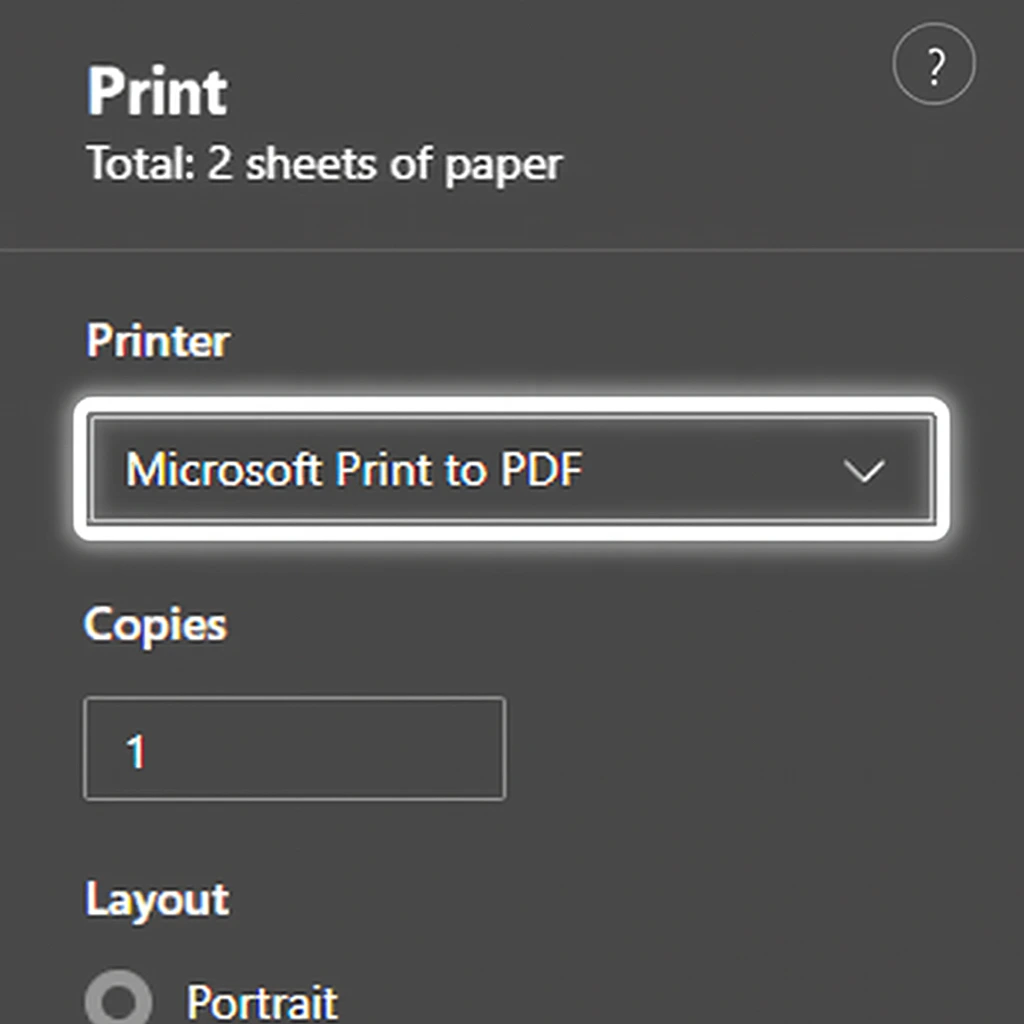
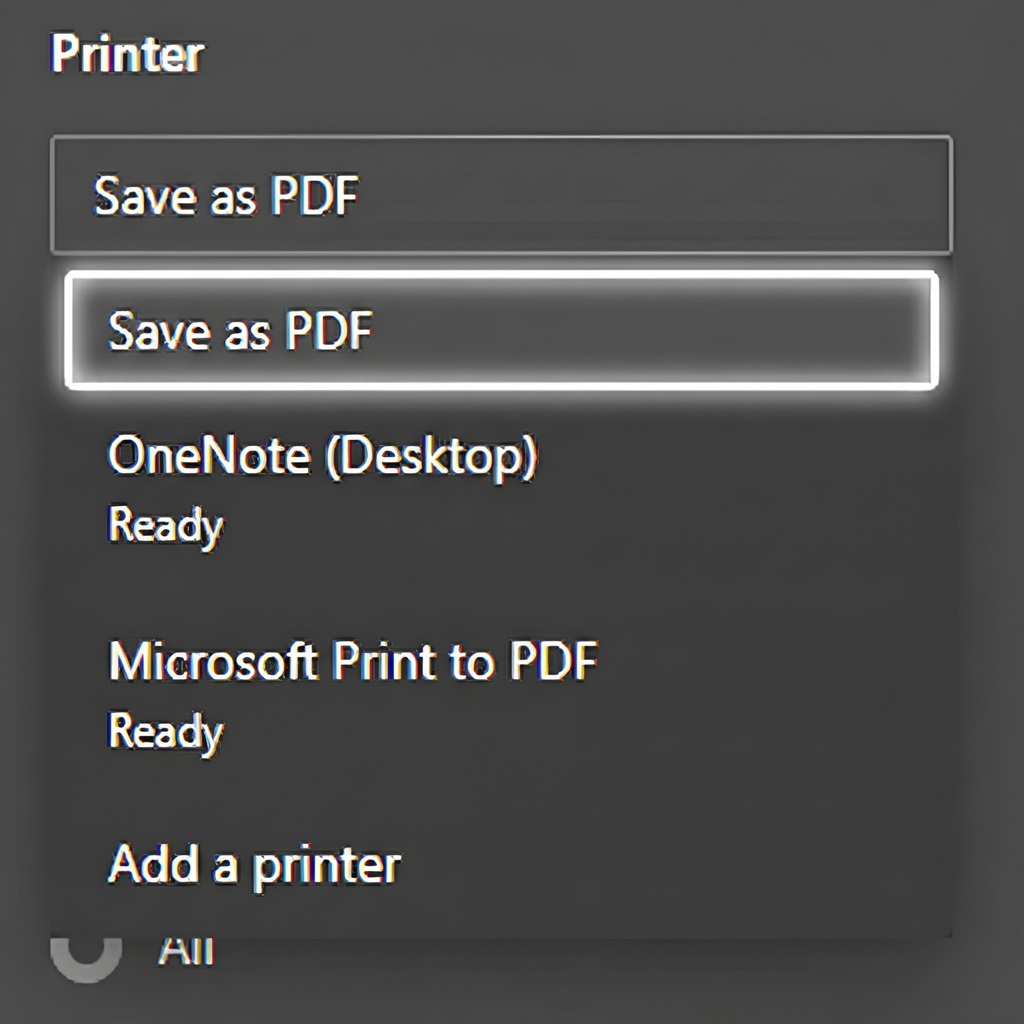
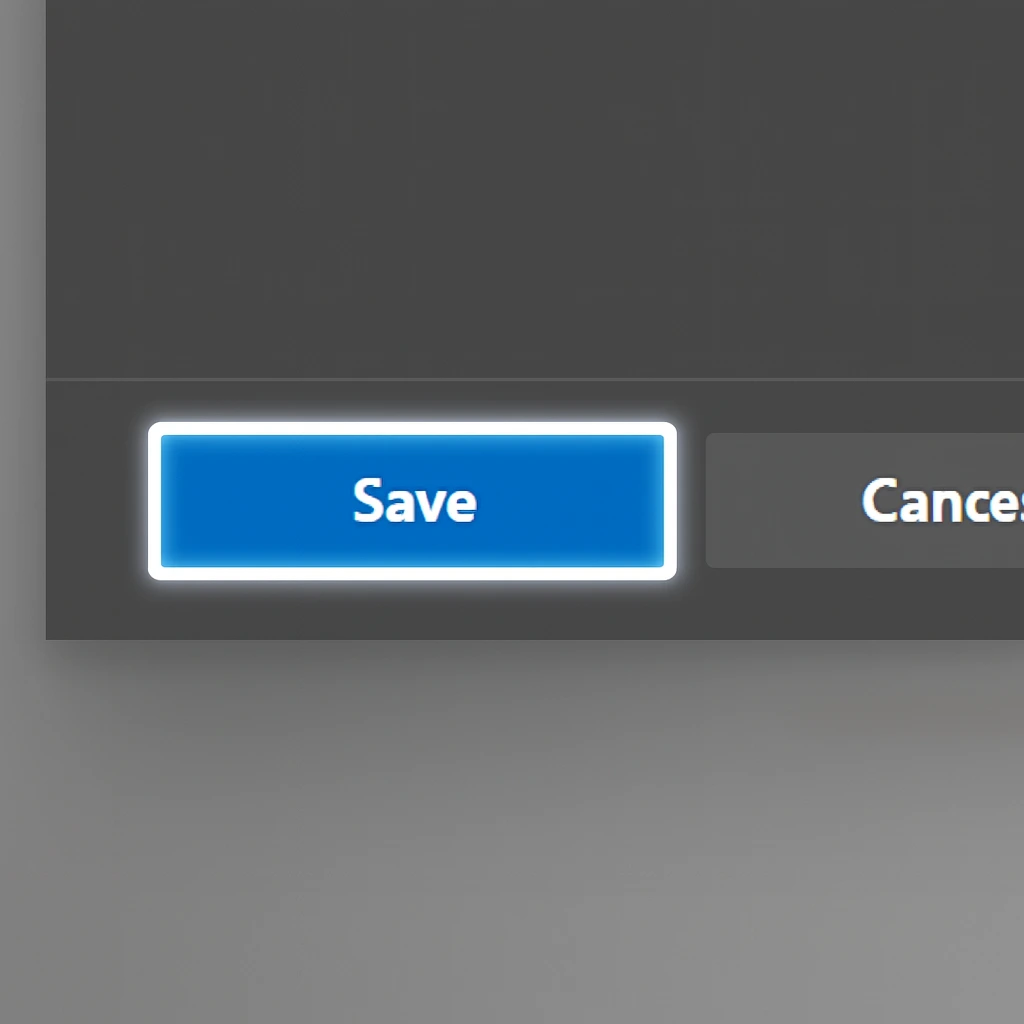
Follow the steps above to save your results.