
Rent vs. Buy Calculator
See the full cost — not just the payment.
See the full cost — not just the payment.
The conventional wisdom says "renting is throwing money away." The math says otherwise. Buying a home involves massive unrecoverable costs: mortgage interest, property taxes, insurance, HOA fees, and maintenance. Often, these costs exceed the price of rent. This engine separates emotional decisions from mathematical reality by calculating your specific "Burn Rate" and Opportunity Cost.
In 2026, the housing market presents a complex equation. The old adage that "renting is throwing money away" has been debunked by financial analysts who understand the nuance of unrecoverable costs and opportunity cost. This calculator is designed to strip away the emotional narrative of homeownership and present the raw mathematical reality.
Every housing decision involves money you never see again.
If the unrecoverable costs of buying exceed the cost of renting a similar property, renting is mathematically superior for wealth accumulation—provided you invest the surplus.
| Factor | Renting | Buying |
|---|---|---|
| Upfront Costs | Low (Security Deposit) | High (Down Payment + Closing Costs) |
| Monthly Payments | Subject to annual increases | Fixed (Principal & Interest only) |
| Maintenance | Landlord's responsibility | Owner's responsibility (1-2% value/yr) |
| Liquidity | High (Cash remains in portfolio) | Low (Equity is trapped until sale) |
| Wealth Builder | Investment Portfolio (Stocks/Bonds) | Home Equity + Appreciation |
When you buy a home, you lock a massive amount of capital into a single, illiquid asset. A $100,000 down payment tied up in a house cannot earn stock market returns (historically 7-10%). This is the opportunity cost of buying. Our calculator's "Opportunity Cost" mode allows you to simulate this trade-off. If the stock market outperforms real estate appreciation (which historically hovers around inflation rates), renters who invest aggressively often end up with a higher net worth than homeowners.
Yes, fixed-rate debt is an excellent hedge against inflation because your payment stays the same while the value of the dollar drops. However, maintenance costs, taxes, and insurance tend to rise with inflation, offsetting some of this benefit.
The Price-to-Rent ratio is calculated by dividing the home price by the annual rent of a comparable unit. A ratio above 20 usually indicates it is much better to rent. A ratio below 15 suggests buying is the better deal.
Not necessarily. Since the increase in the Standard Deduction, fewer Americans itemize their deductions. Unless your mortgage interest and property taxes exceed the standard deduction threshold, you get zero tax benefit from owning a home.
Select "Save as PDF" in the destination menu.
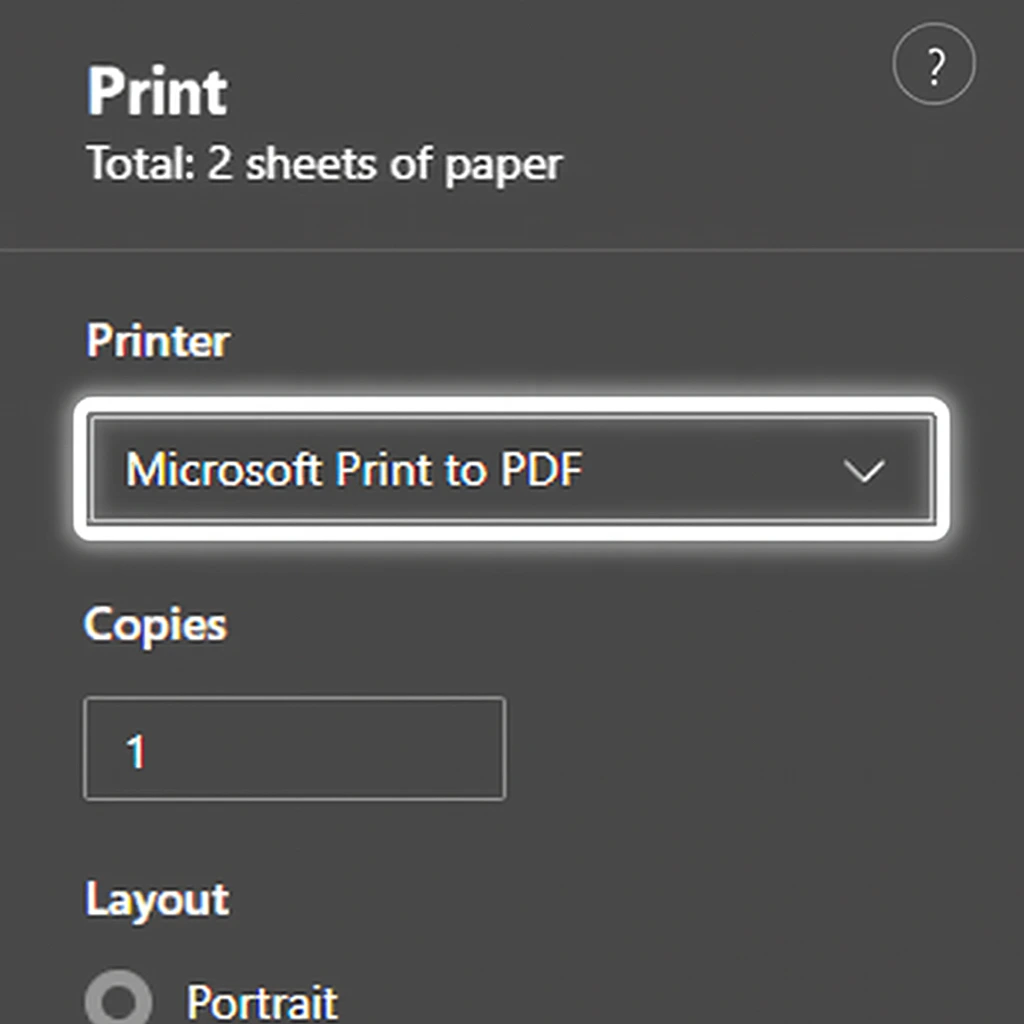
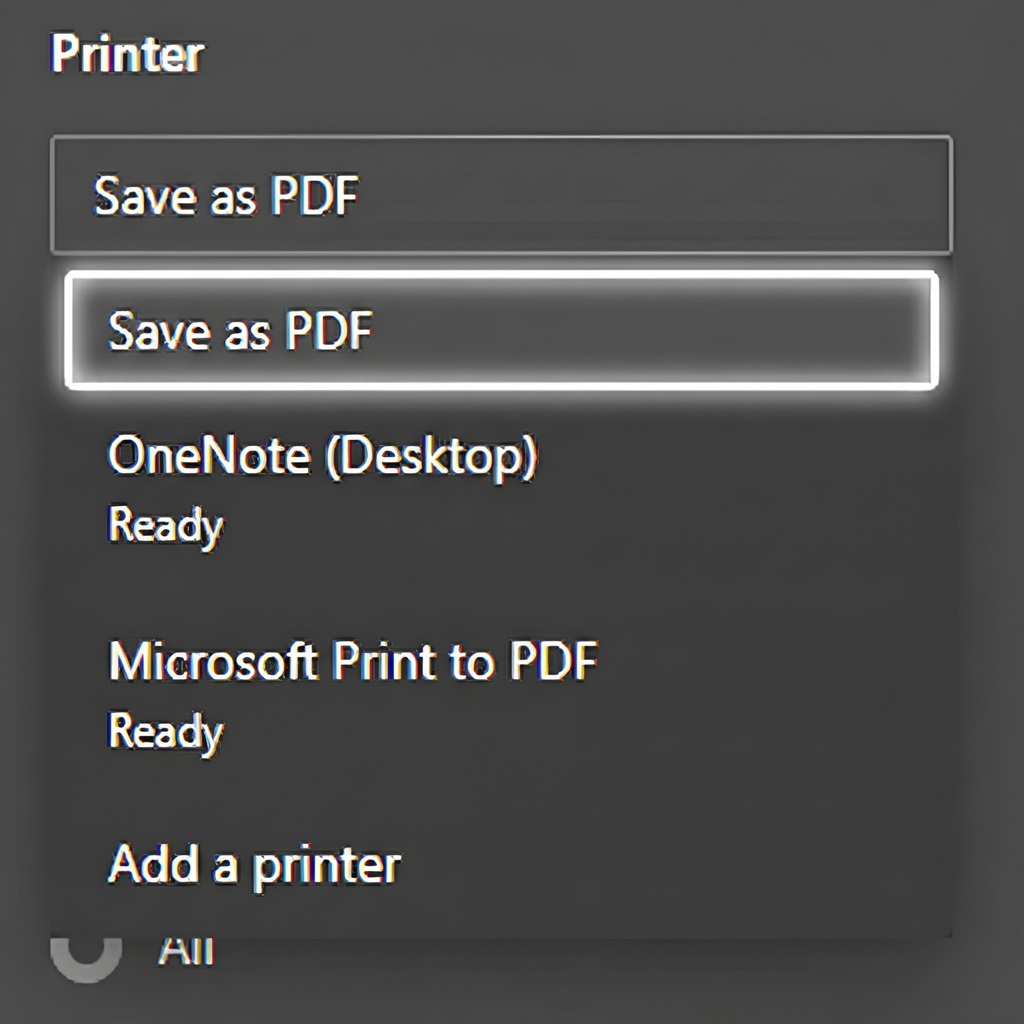
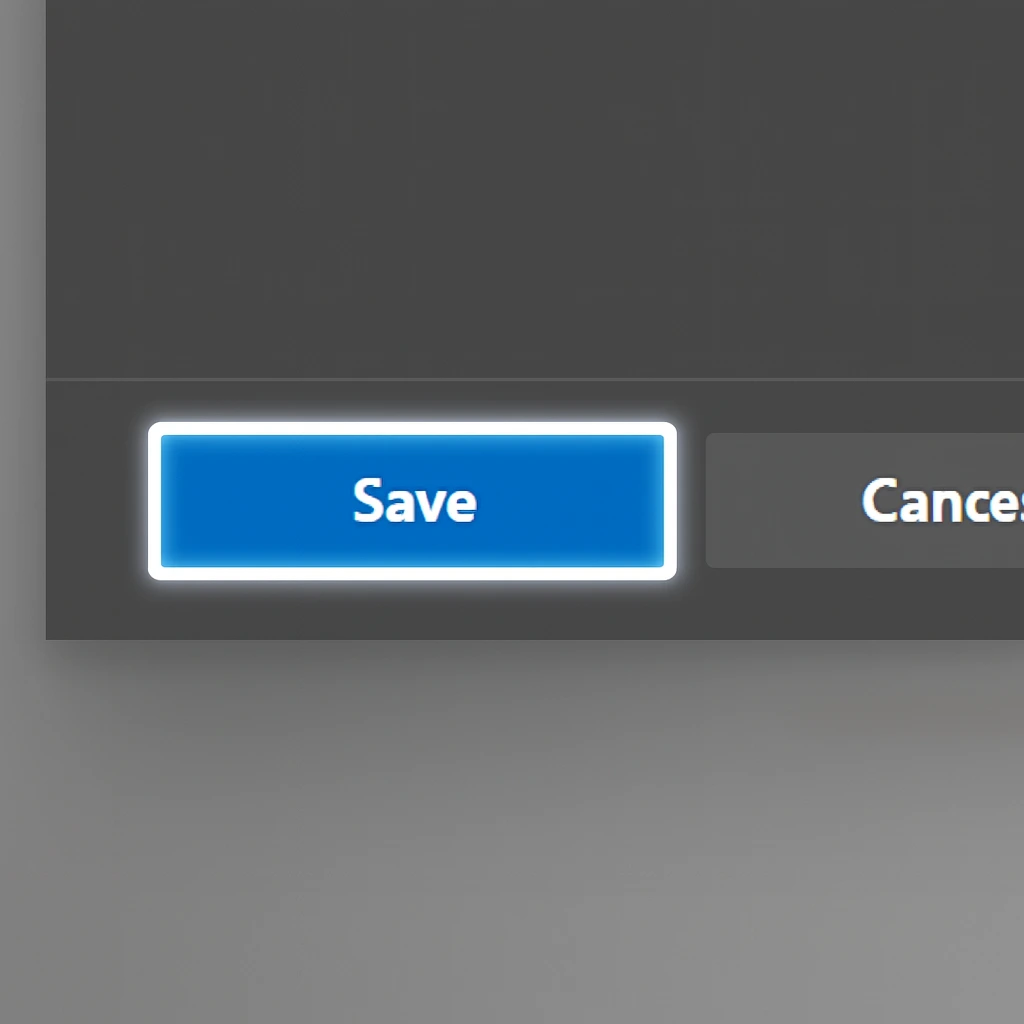
Follow the steps above to save your results.